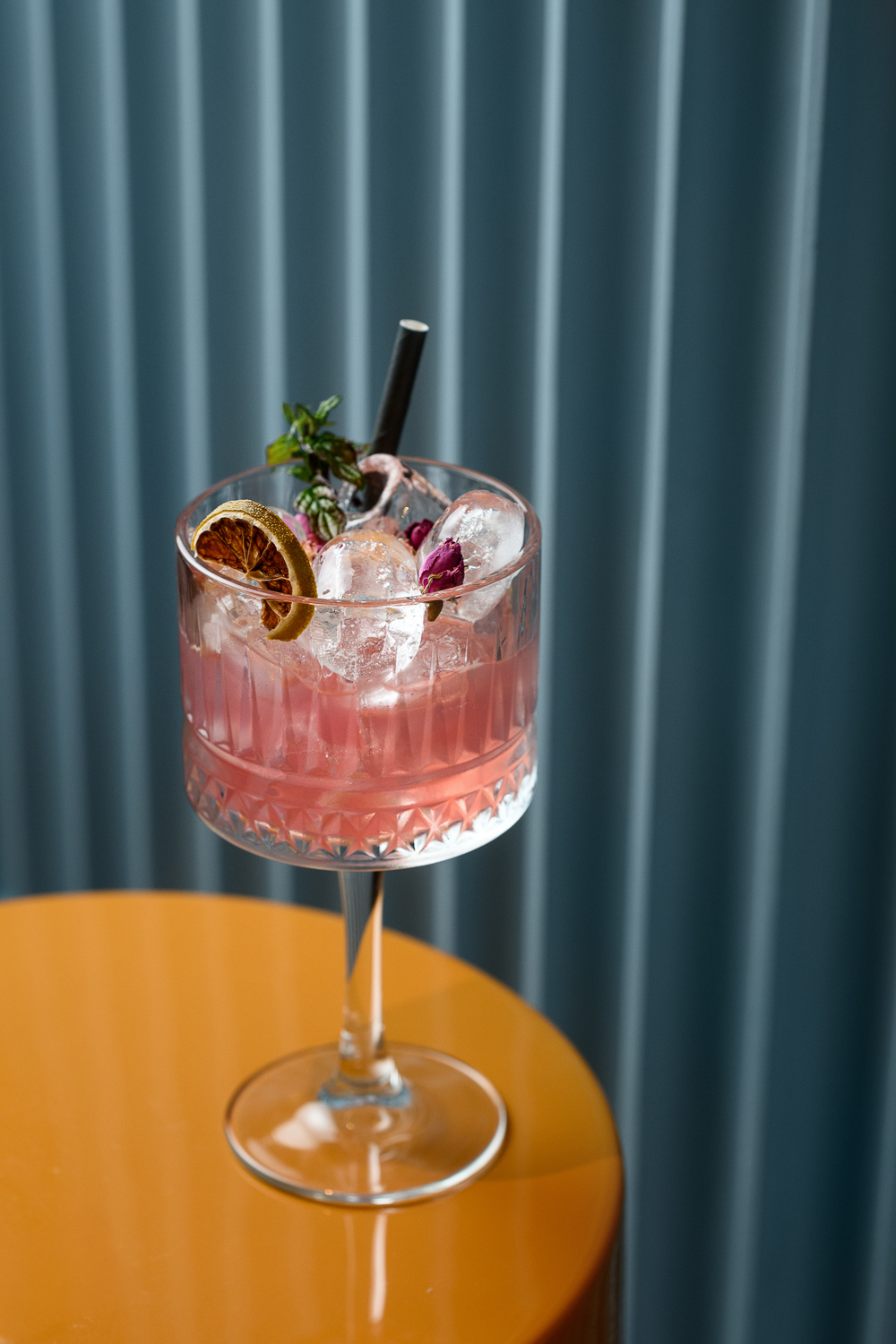
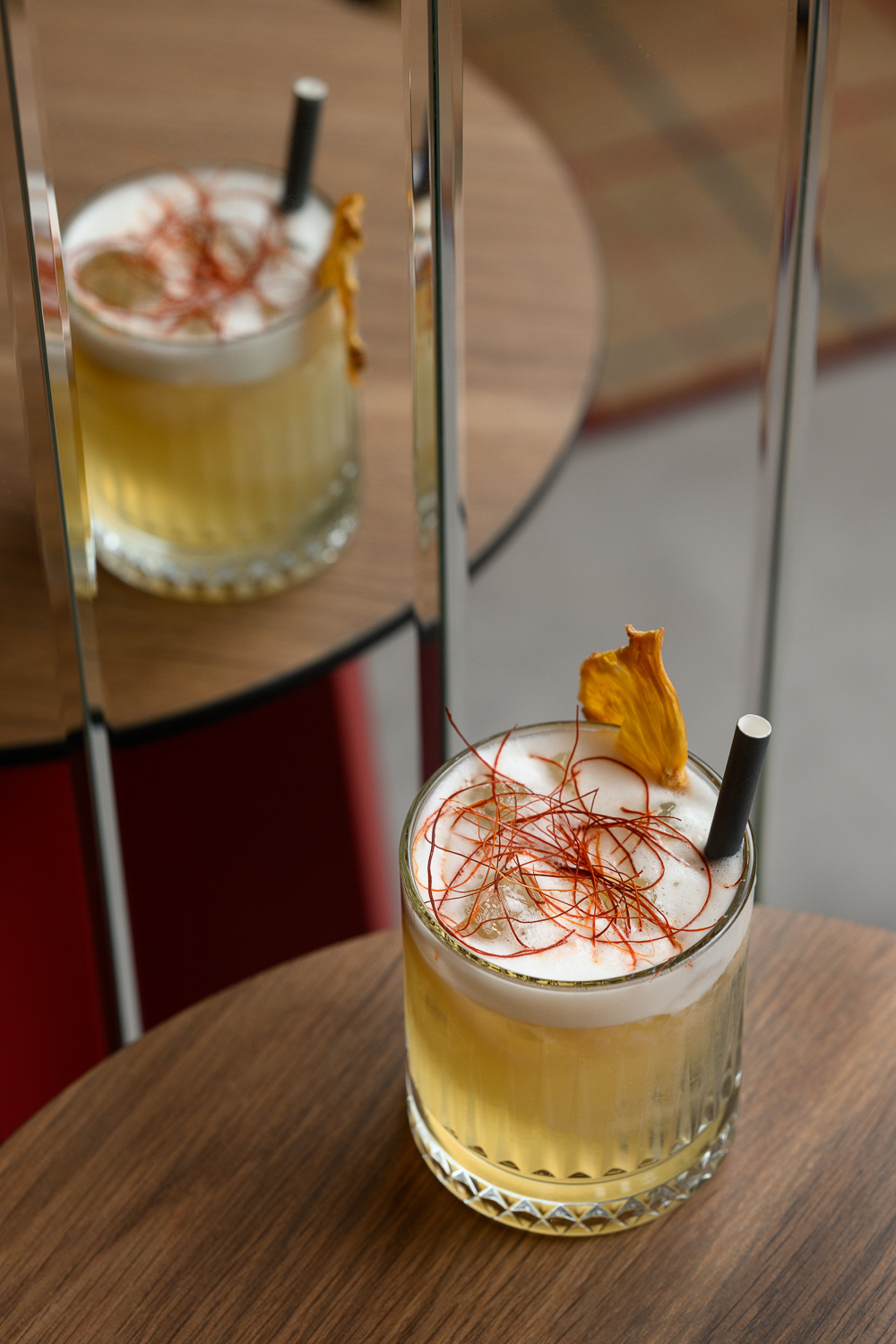
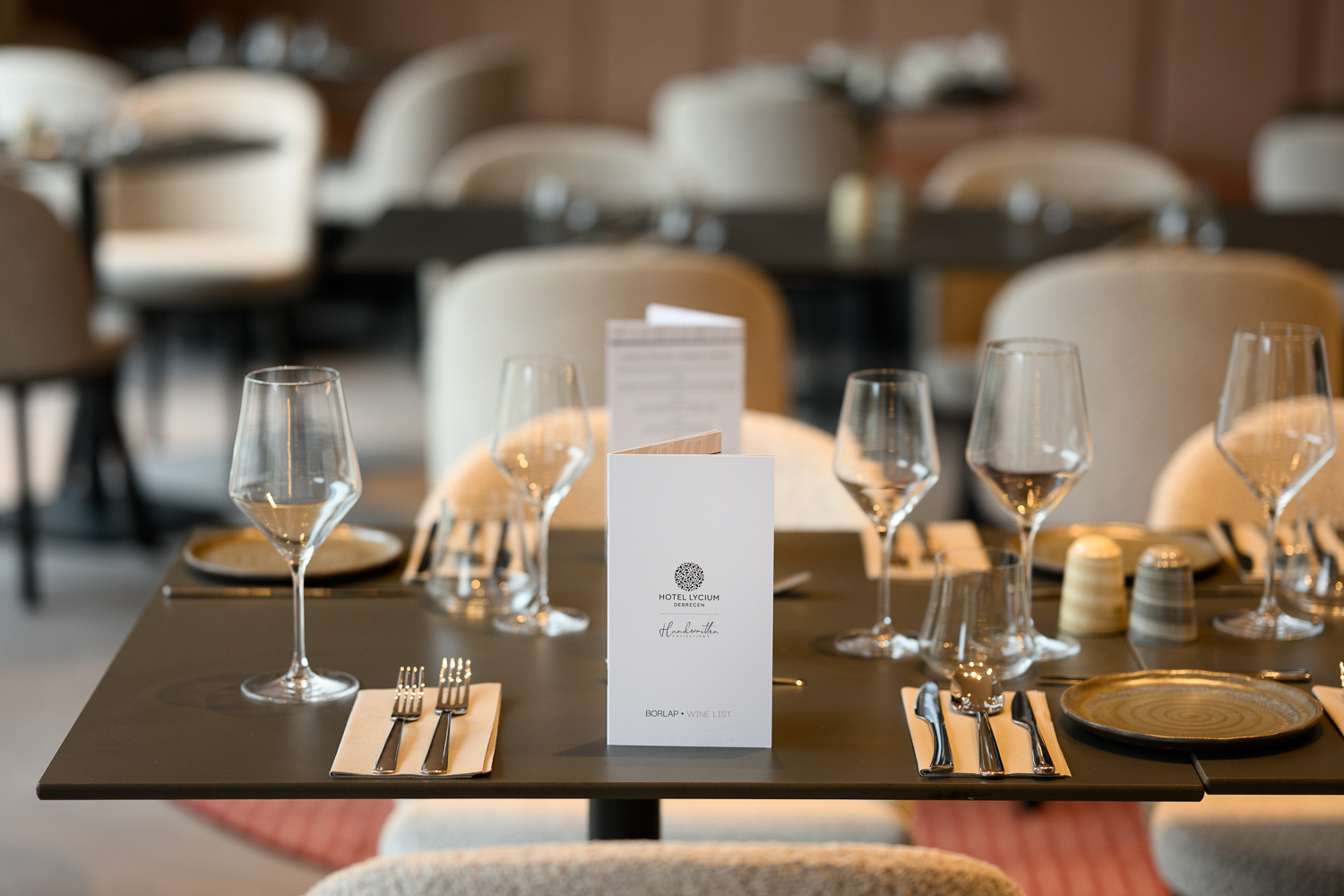
The iconic building complex in the heart of Debrecen has opened a new chapter in its history. Hotel Lycium has undergone more than just a renovation; it has completely changed its character, becoming the first rural hotel in Hungary to join the Accor Group’s exclusive Handwritten Collection As a photographer, it was a special experience to document how the clean, modernist architectural heritage meets the cozy yet vibrant world of an "imaginary art collector."
The Concept: A Gallery Brought to Life
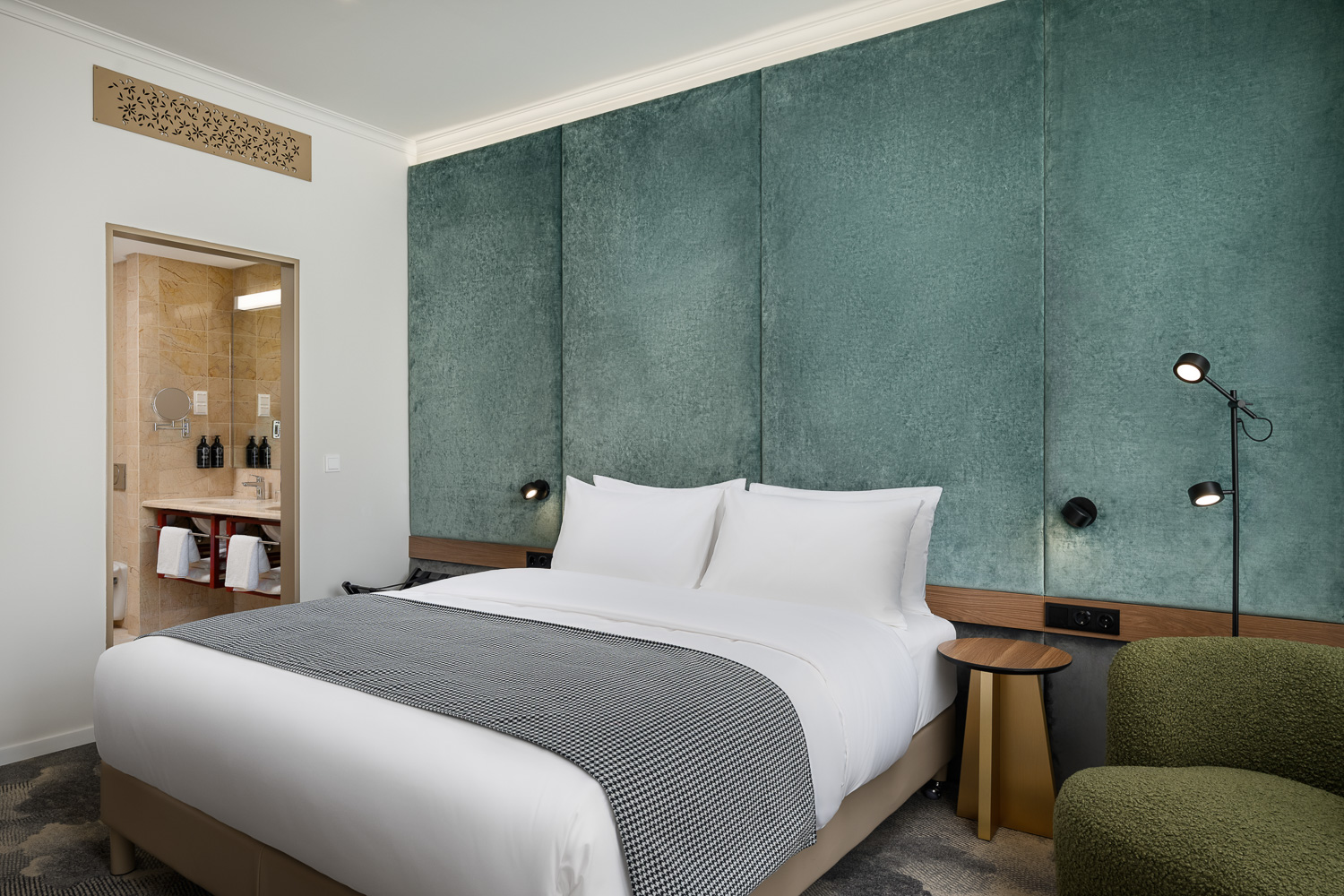
The interior design concept was dreamed up b KOMP Design Studio and its lead designer, Krisztina Fülöp The vision was clear: to break away from the standard hotel atmosphere and create a space that is both elegant and personal—as if stepping into the home of a world-traveling art collector.
The details captured in the photos reinforce this duality:
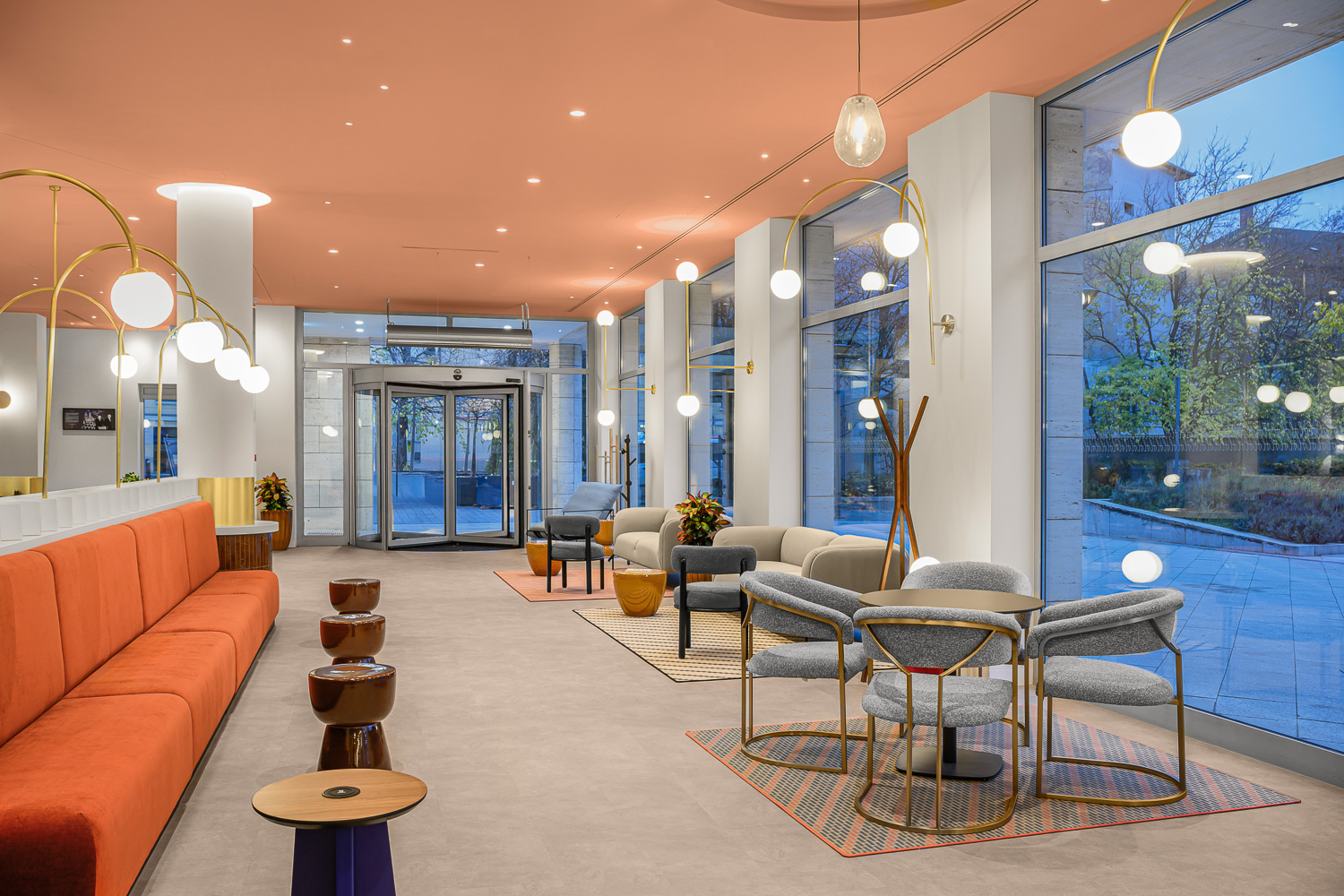
- The Lobby: The long reception desk, which immediately catches the entering guest's eye, is a main element of the lobby (and a personal favorite of mine). It creates a perfect harmony, separating the hotel's functional spaces from the Atelier restaurant and the Palette Lounge Bar.
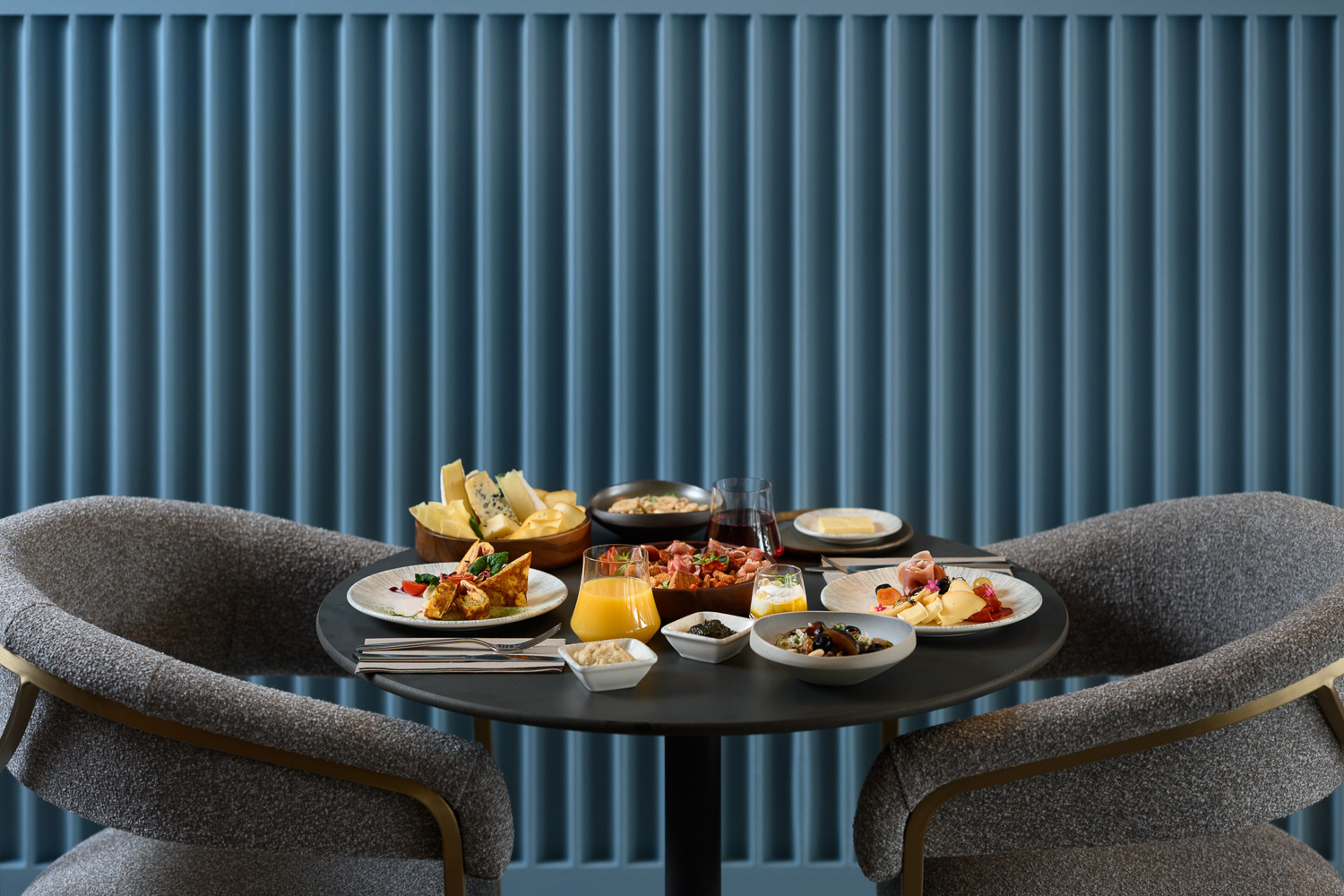
- Play of Textures Ribbed wall claddings evoke classic columns in a modern guise, while the hard architectural forms are softened by plush textiles and upholstery.
Spaces and Lights
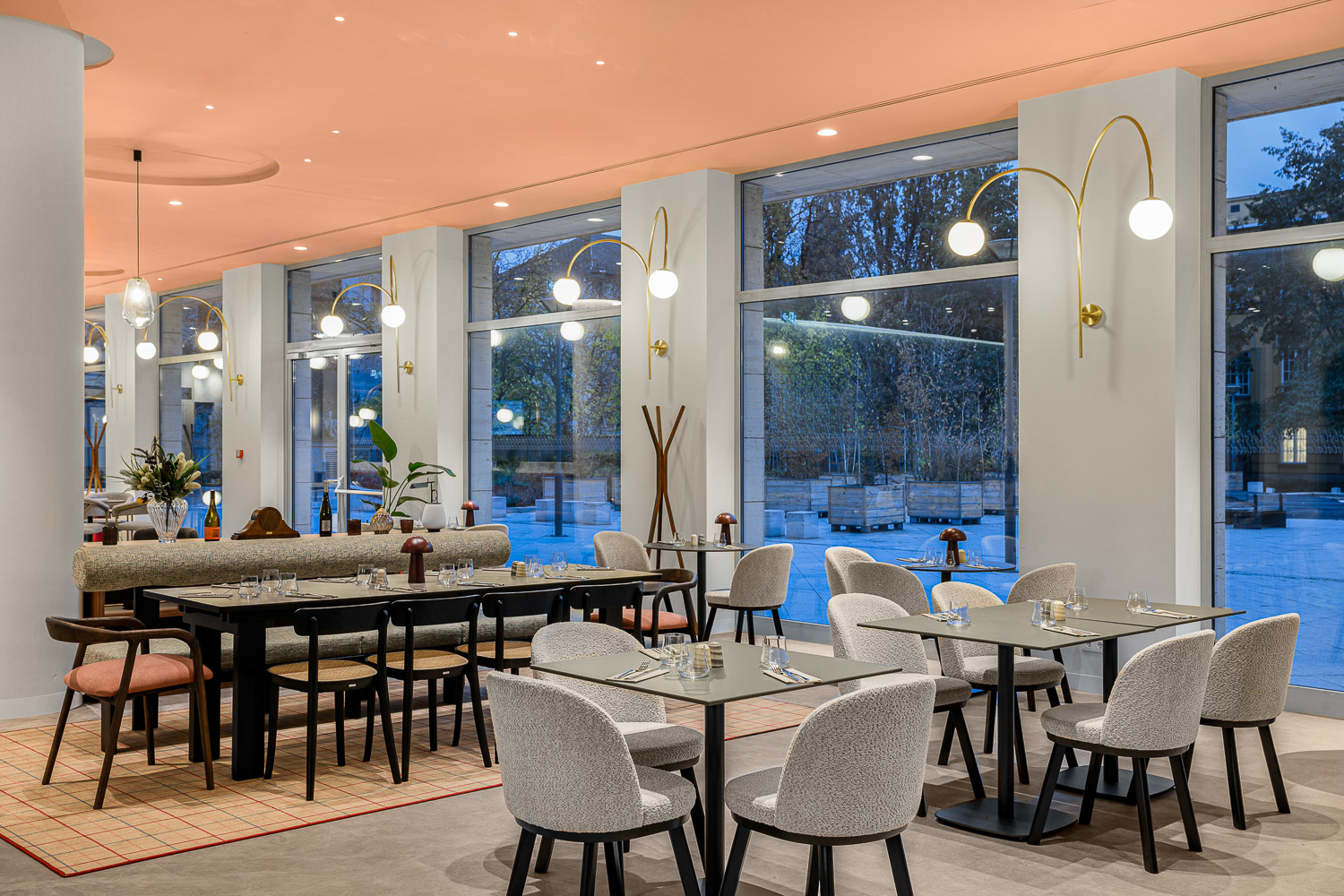
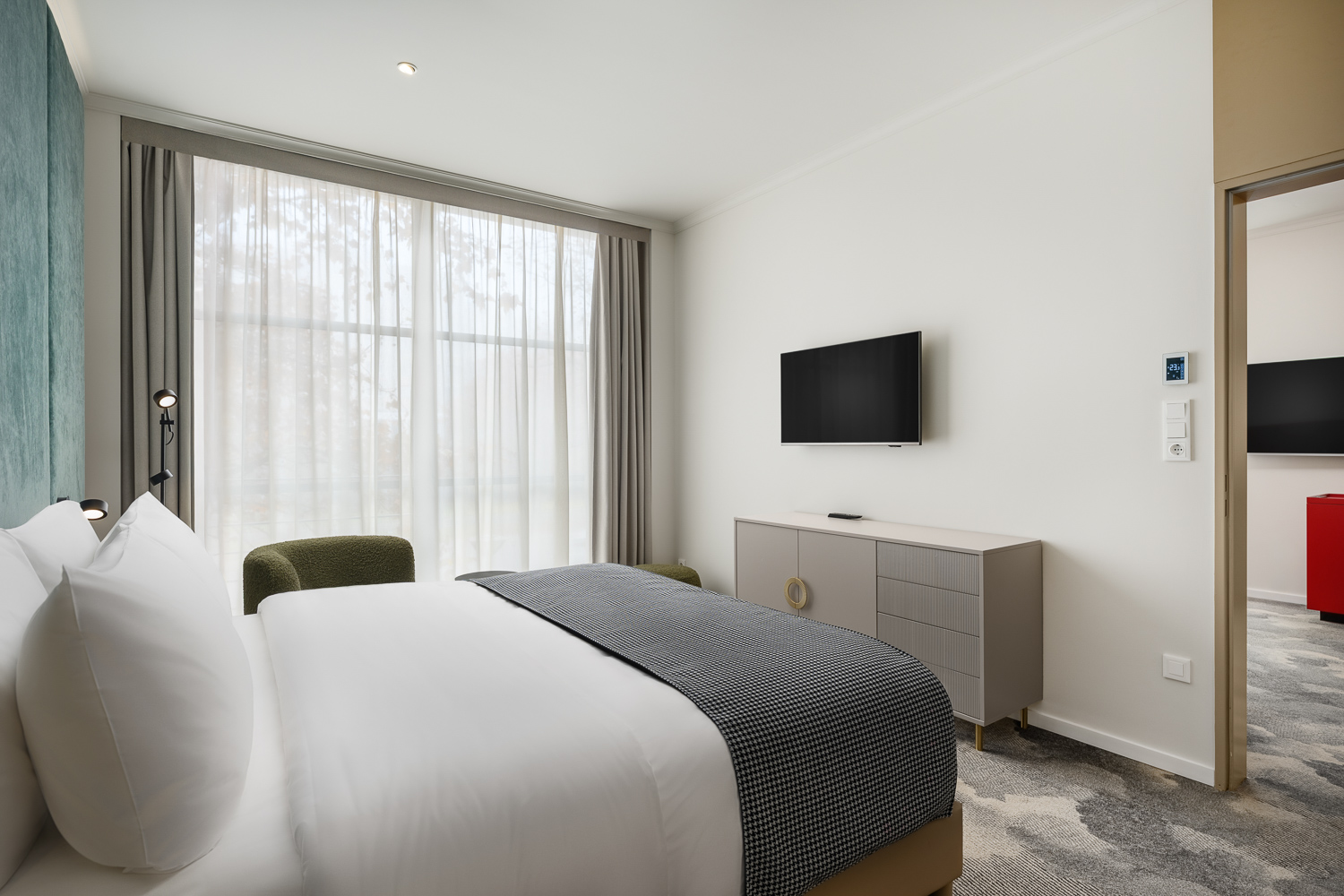
During the photoshoot of the 92 rooms and communal spaces (such as the Atelier restaurant and the Palette Lounge Barthe greatest inspiration came from the harmonious use of color and natural materials. The pastel shades dominating the spaces and the large, custom-made headboards in the rooms not only suggest comfort but also create visually organized, soothing compositions. From a technical perspective, the biggest challenge was creating a harmonious balance between the natural light flooding in from the massive glass surfaces and the artificial lighting of the restaurant.
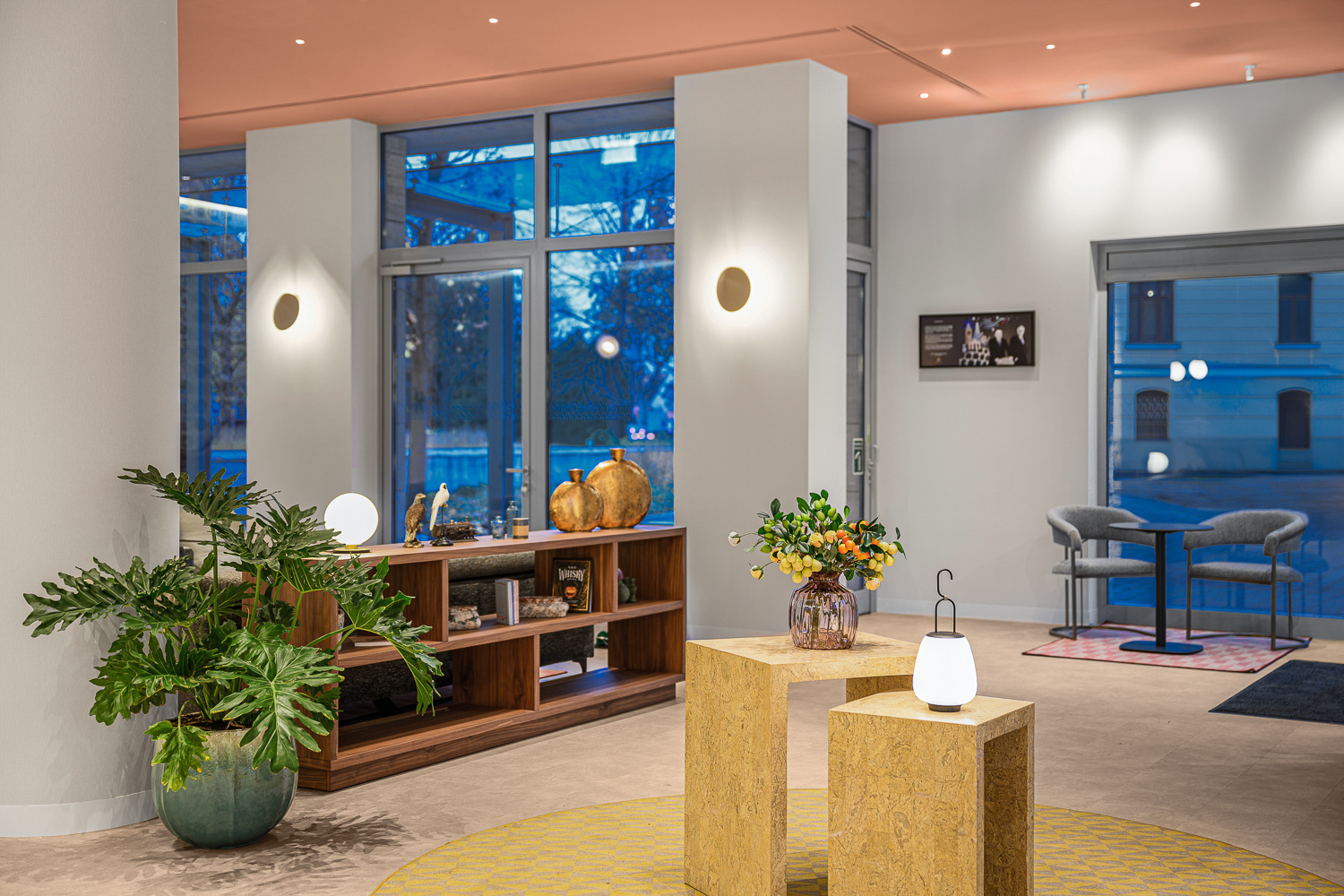
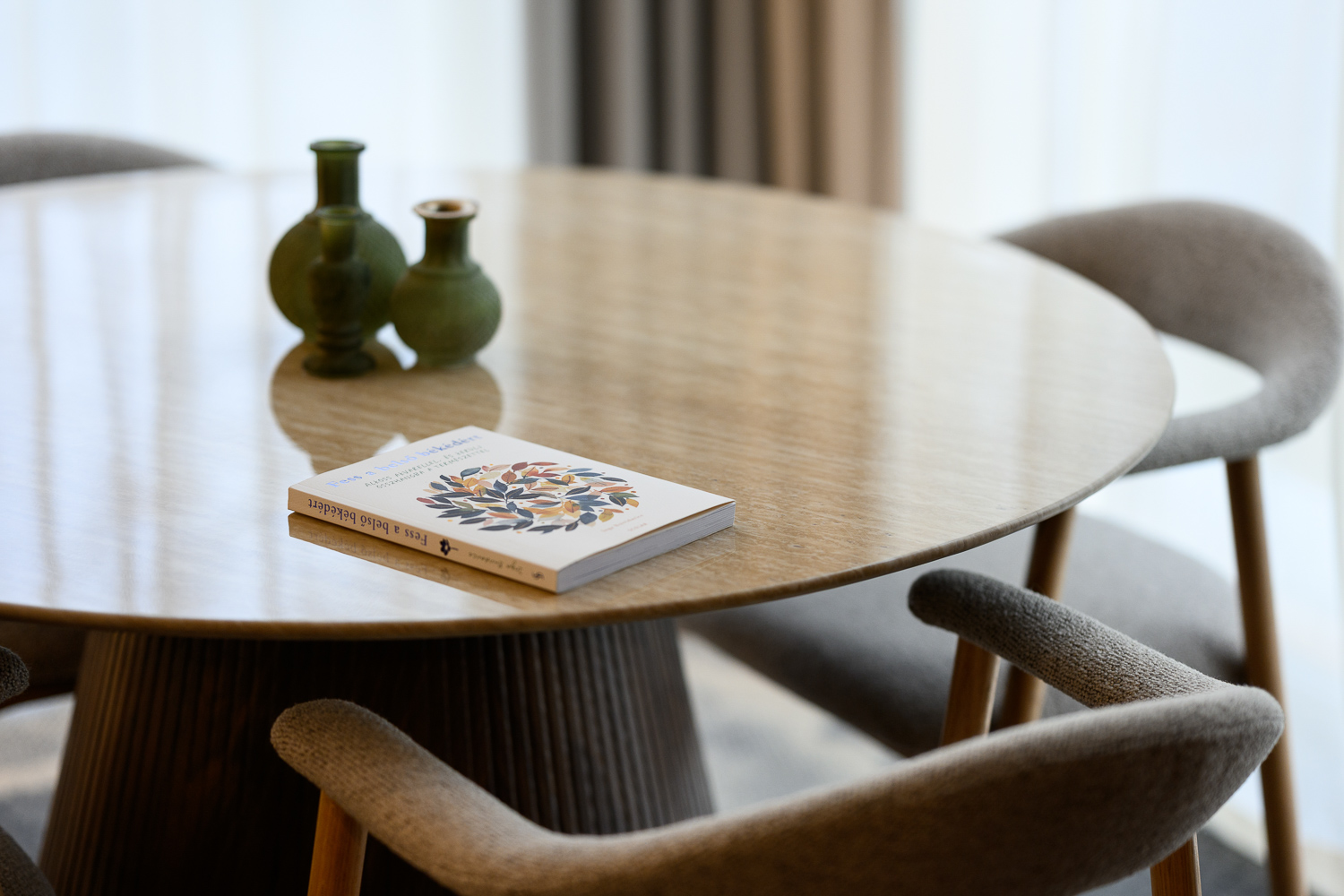
The decorations, accessories, books, and artworks filling the hotel with life offer a subtle nod to the neighboring MODEM Centre for Modern and Contemporary Art.
Architectural Heritage in a Modern Guise
Although the interior has been completely renewed, the building respects its roots. The complex, integrated with the Kölcsey Centre, was originally designed by Ybl Prize-winning architect András Kováts in 2006. The current renovation (managed by Szinerty Kft.) did not mask this modernist heritage but rather placed it into a new dialogue with the "handwritten" uniqueness of the interior design.